Geometric or Ornamental?
Geometric work is construction for its own sake: the shapes are the subject and precision is what you are looking at. Ornamental work decorates a part of the body, usually drawing on an existing decorative tradition, and it answers to that tradition and to how the pattern sits on you. A mandala is the piece most people arrive with, and it sits squarely between the two, which is exactly why it is worth saying whether you care about the exactness or the way it follows your shoulder.
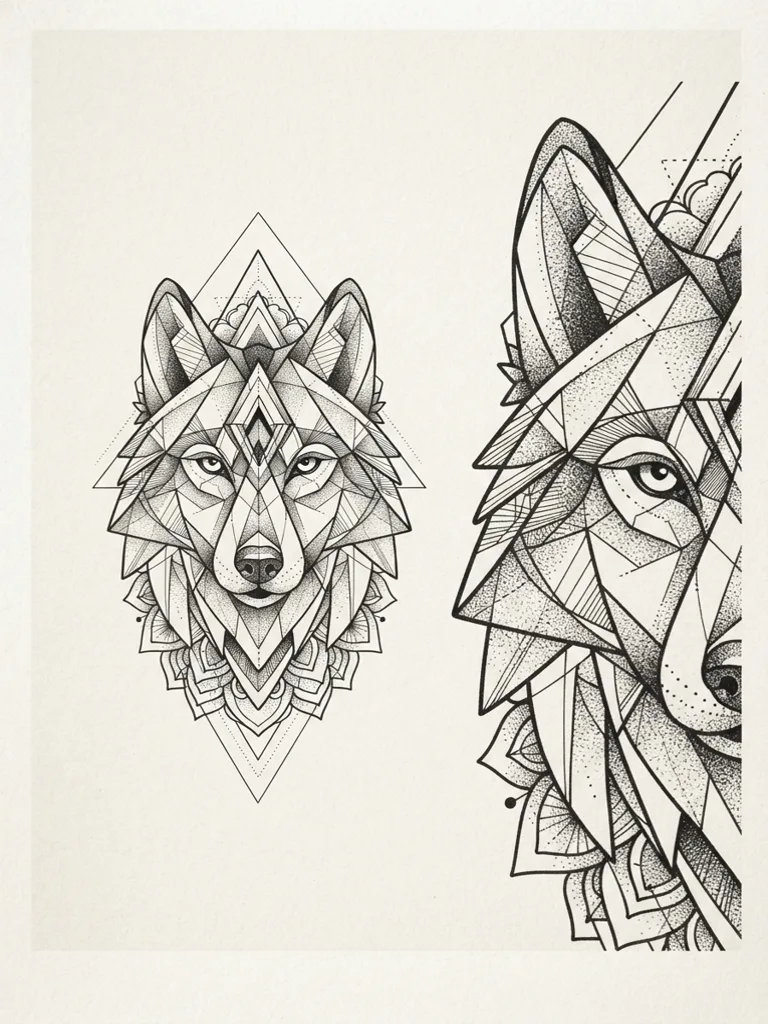
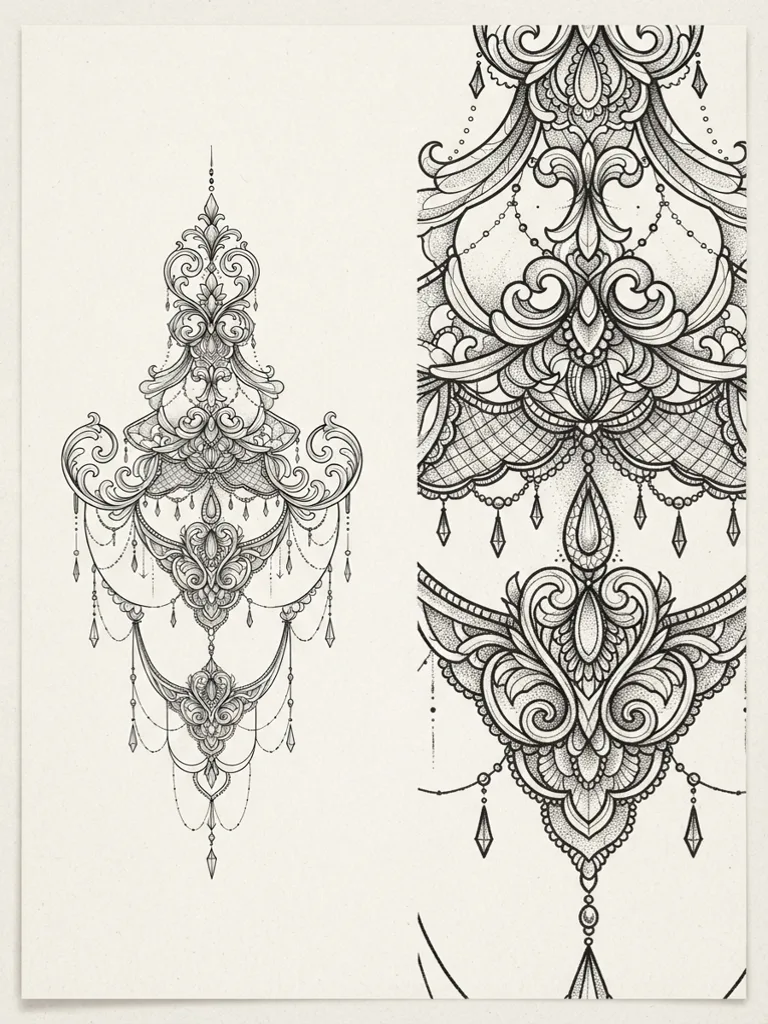
Side by side
| What you are comparing | Geometric | Ornamental |
|---|---|---|
| What it is for | The construction is the subject | The pattern serves a body part |
| How it is judged | Precision: are the lines true and the circles round | Fit: does the pattern sit right on the body |
| How placement works | Flatter areas keep the figure closest to its drawn form | Placement is chosen first and the design is made for it |
| What changes over time | Parallel lines close toward each other; crispness goes | Rhythm survives; the finest internal detail goes first |
Which to ask for
Ask for geometric if you would be bothered by a circle that is slightly out of round, and accept that the artist will spend time on stencil and alignment before starting. Ask for ornamental if what you like is the way a pattern wraps and balances on the body. For a mandala, say which of those two matters more to you, and the artist will know what to protect.
These are directions for describing what you want, not rules every artist follows. Bring both names to your consultation and let the artist tell you which one fits your subject and placement.
AI Tattoo produces design concepts, not tattoo-ready instructions. Review line spacing, placement, scale and practical execution with a tattoo artist before committing to a design.